
Navigating Construction Claims: Strategies for EOT and Cost Escalation
A comprehensive guide on drafting bulletproof claims for time, cost escalation, and productivity loss in construction projects.
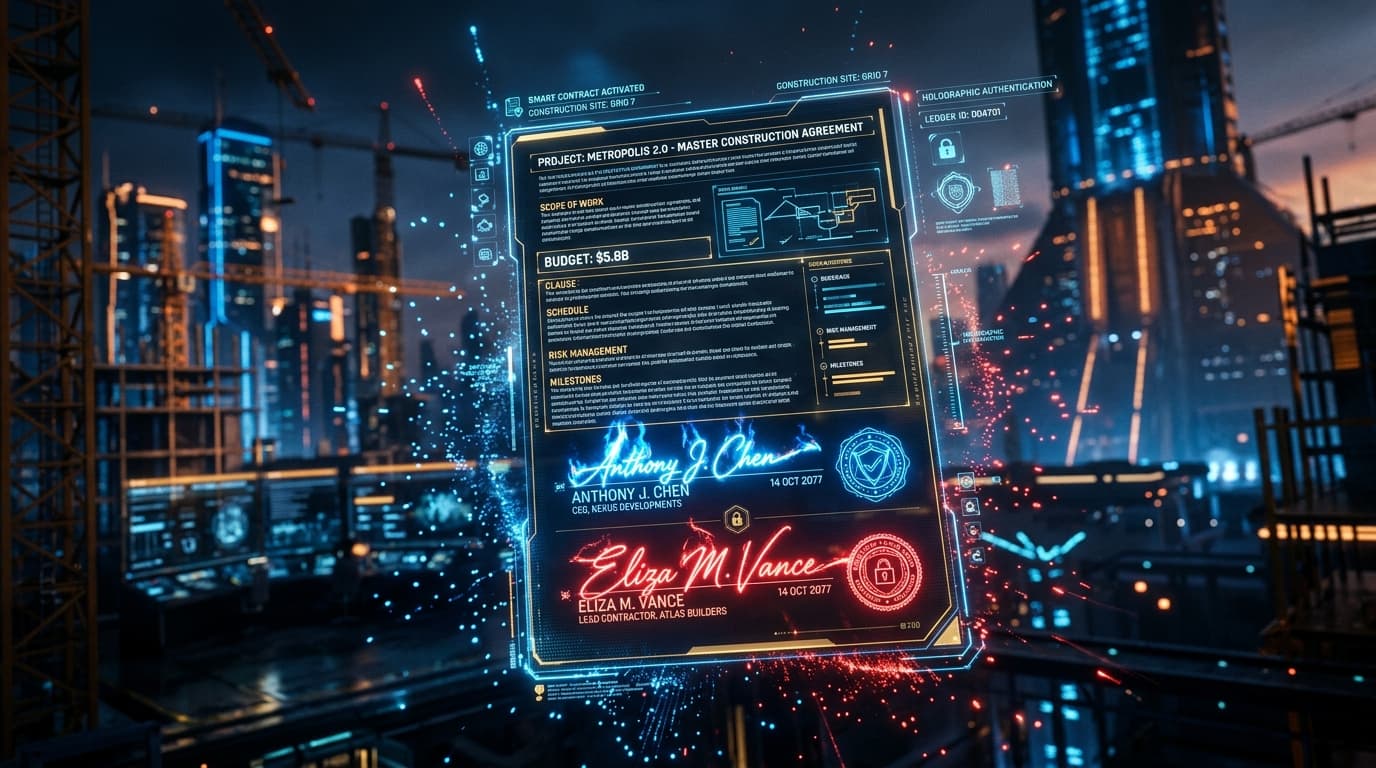
In the complex, high-stakes world of mega-projects, construction claims are an unavoidable business reality. When a contractor suffers delays, disruption, or incurs massive extra costs due to circumstances entirely beyond their control, a well-drafted contractual claim is their only avenue for financial survival.
However, submitting a claim is not a guarantee of payment. A claim is essentially a formal request that must be proven with bulletproof legal logic, contractual backing, and overwhelming evidence.
Warning: Ambiguous contract interpretations, failure to issue timely notices, and a lack of contemporary site records are the top reasons multi-million dollar construction claims are rejected by engineers and arbitrators.
The Anatomy of a Bulletproof Claim
A successful claim must clearly and logically establish four critical elements, often referred to as the 'Four Pillars':
- Cause: What specific event occurred? (e.g., The Client issued heavily revised foundation drawings 4 months late).
- Effect: How did this event physically impact the project? (e.g., The contractor's piling rigs sat idle, and the critical path was delayed by 45 days).
- Entitlement: What specific clause in the contract (e.g., FIDIC Clause 8.4 for EOT, or Clause 13 for Variations) gives the contractor the legal right to claim time or money for this event?
- Substantiation: Where is the proof? (e.g., Dated site photos of idle rigs, signed delays logs, approved baseline schedules, and official email correspondence).
Tackling Cost Escalation Claims
In highly volatile global markets, the cost of raw materials like steel, cement, and copper can skyrocket unexpectedly between the time a project is bid and when the materials are actually procured.
- Price Fluctuation Clauses: Always check for specific escalation clauses in the contract (like FIDIC Clause 13.8) that allow for adjustments based on national price indices.
- Rigorous Procurement Records: Maintain meticulous invoices, purchase orders, and multi-quote comparisons to prove the actual costs incurred.
- Mathematical Substantiation: Compare baseline bid estimates with actual procurement costs mathematically using recognized industry indices (like RBI indices in India or ENR indices globally).
The Importance of Amicable Settlement
While arbitration and litigation mechanisms exist, they are incredibly costly, drag on for years, and permanently destroy business relationships. The primary goal of a well-drafted, heavily substantiated claim is to present an argument so clear and undeniable that the client agrees to an amicable financial settlement during direct negotiations.
Learn how to draft claims, protect your profit margins, and navigate complex contracts in our Project Delay Analysis & Claims program.